My research is at the intersection of the politics of gender, comparative migration politics, humanitarian governance, and the role of everyday practices in world politics. Theoretically, I draw on everyday practices to explore refugee communities’ approaches to gender equality, localization of humanitarian assistance, and durable solutions for refugees in the Middle East and Europe. Centering the practices of government registered refugee-run associations and refugees’ informal communities of trust, I develop a postcolonial feminist approach to migration governance. In doing so, I also explore non-Western humanitarian traditions and their implications for refugees’ access to shelter, health care, and justice system.
Empirically, as a Middle East and European Union specialist, I study micro dynamics of gender (in)equalities, perceptions and practices of competency in humanitarian governance and struggle for rights through ethnography. By tracing cross-context variation in strategies of proving and displaying competency, solidarity, and institutional engagement, my work contributes to broader comparative debates on political mobilization, civil society, and the governance of marginalized groups.
In addition to my work on global politics of gender in the context of displacement, I have a secondary research interest in citizenship and enfranchisement of non-citizens. My previous work has focused on the timing and scope of voting rights granted to non-citizen residents of 60 countries from 1975 to 2015. A part of this research was published in the Journal of Ethnic and Migration Studies.
Stemming from these interests, I have extensive research and fieldwork experience in Canada, Germany, Lebanon, Tanzania, and Turkey. Complimentary to my current specialization in interpretative and feminist methodologies, I am well-versed in quantitative methodologies. As a research associate, I contributed to the creation of datasets on the global birthright citizenship indicators with the GLOBALCIT at the European University Institute.
Dissertation project
My dissertation, Refugees as Global Governance Practitioners: The Politics of Gender Equality in Refugee Communities in Turkey, seeks to understand how refugees’ everyday practices shape gender equality efforts in Turkey. I argue that many refugees shape governance efforts as competent practitioners of gender equality.
My dissertation makes three contributions. First, I theorize competency and how it operates within migration governance, offering new insights into power asymmetries within migration politics. Second, by centering the practices of RLOs as actors who have been traditionally on the receiving end of global governance interventions, I challenge the elitist bias within global governance studies. Third, I illuminate the normative ideas embedded in gender equality practices and advance the literatures on gender equality and forced migration.
In addition to its contributions in critical approaches to global governance, gender studies, and refugee studies, my dissertation has important policy implications for patterns of care and control within gender policies, as my findings challenge predominantly Western conceptualizations of what gender equality is and how it may be advanced.
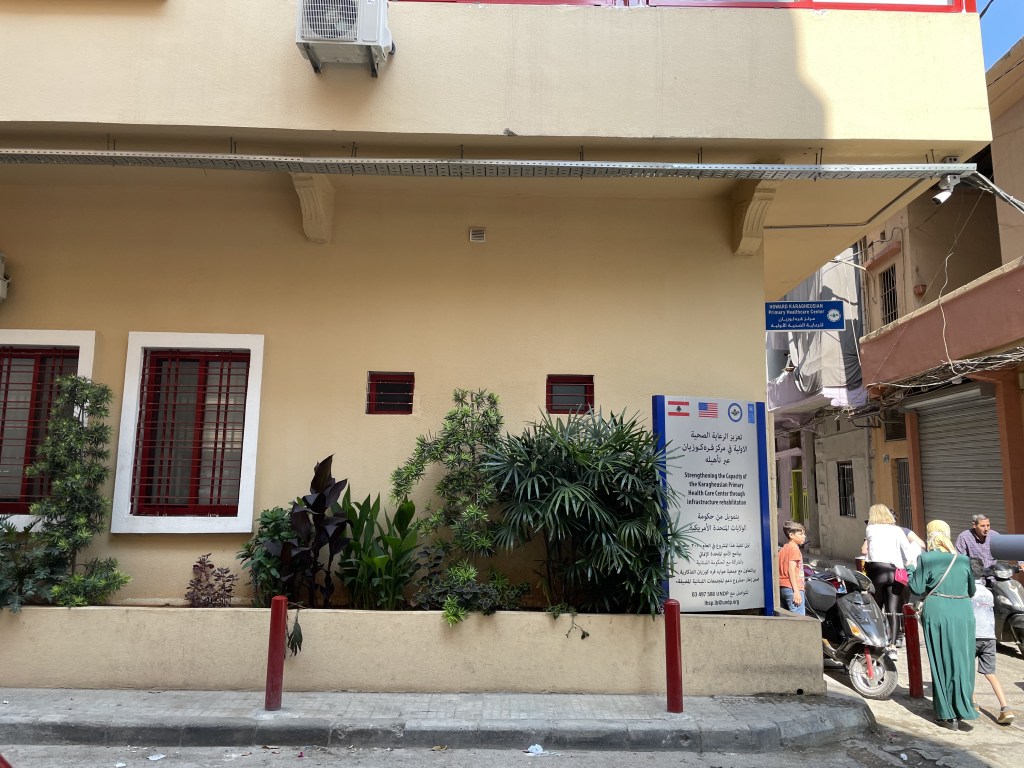
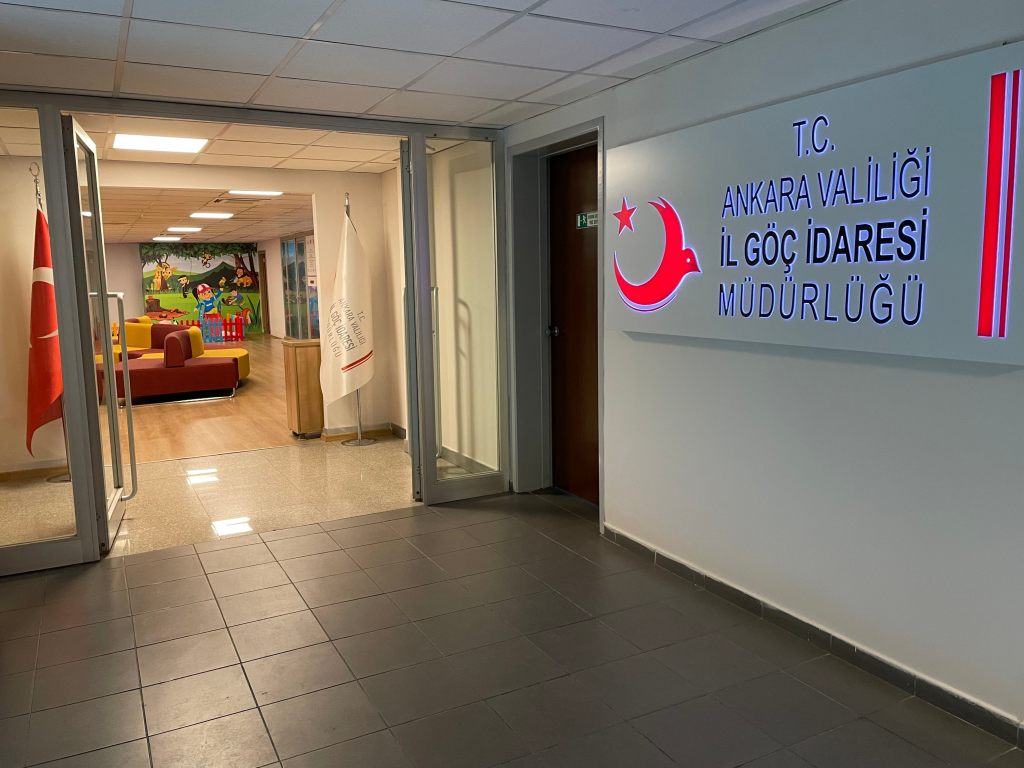
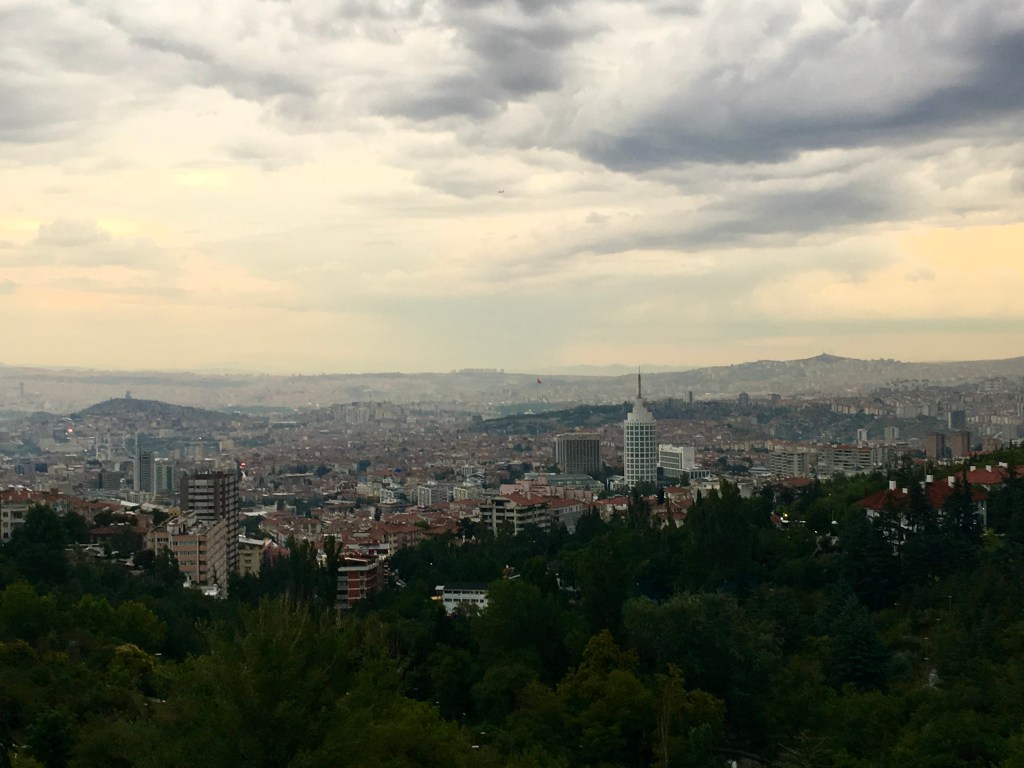
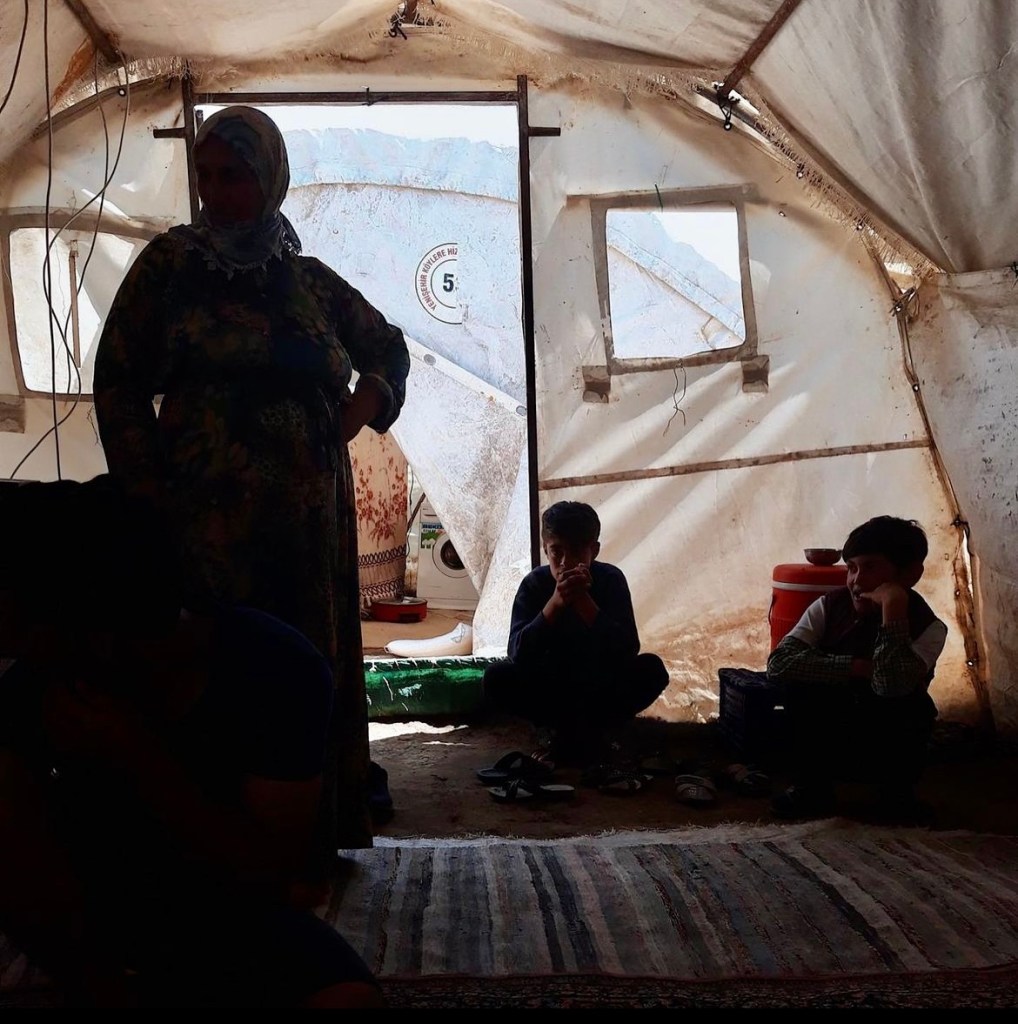
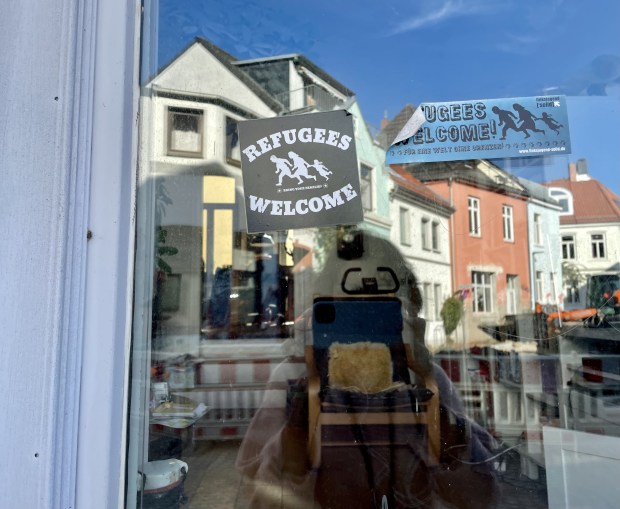
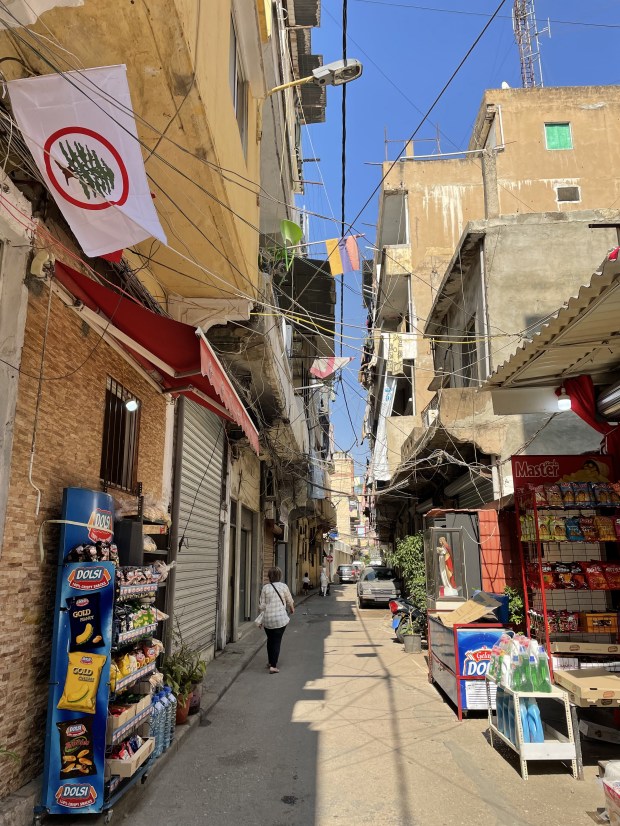
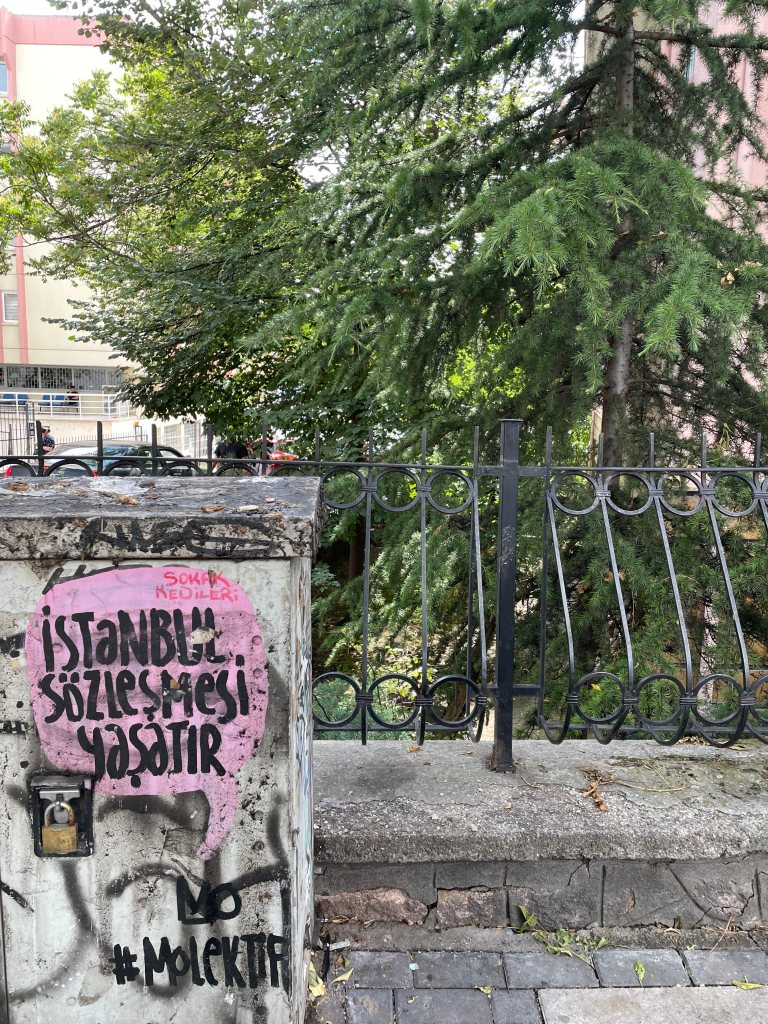
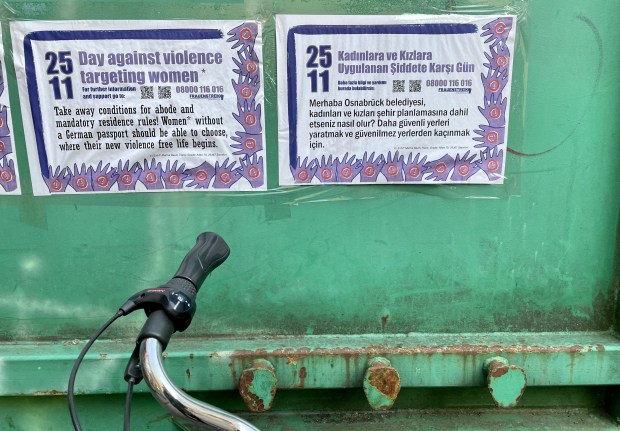
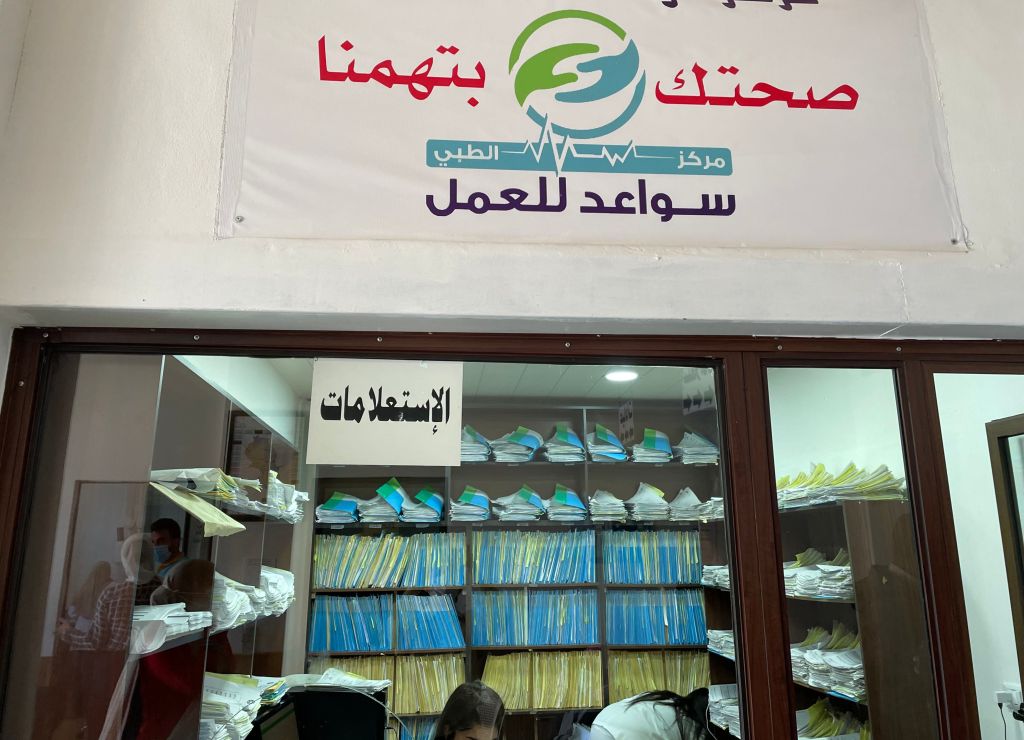
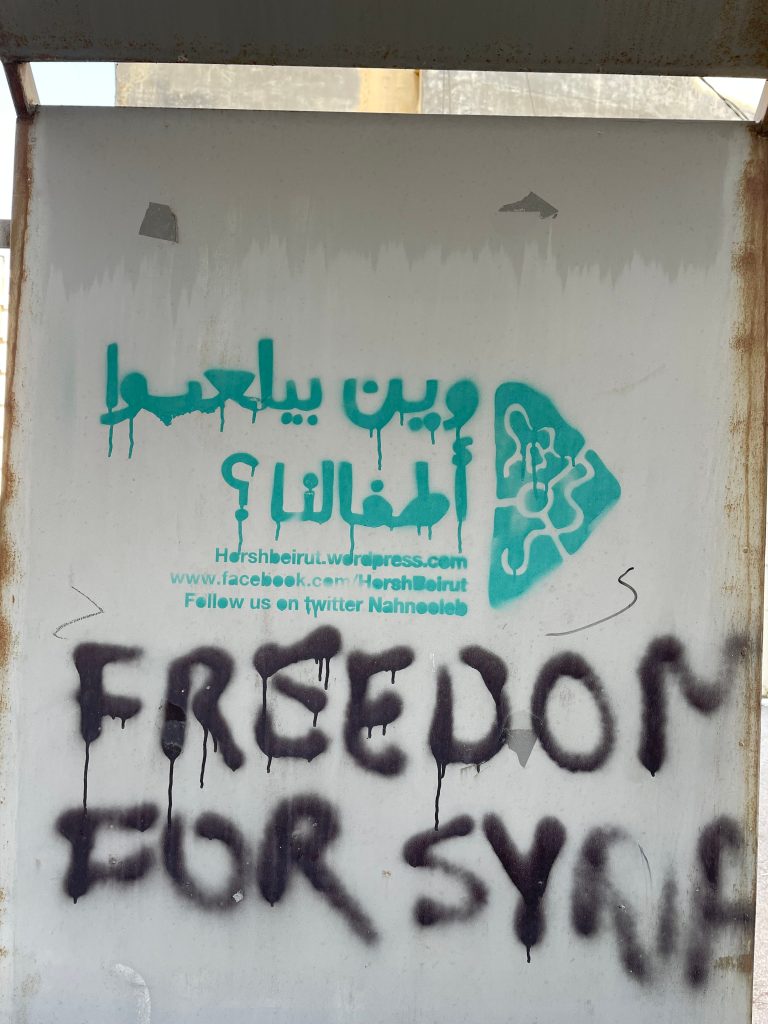
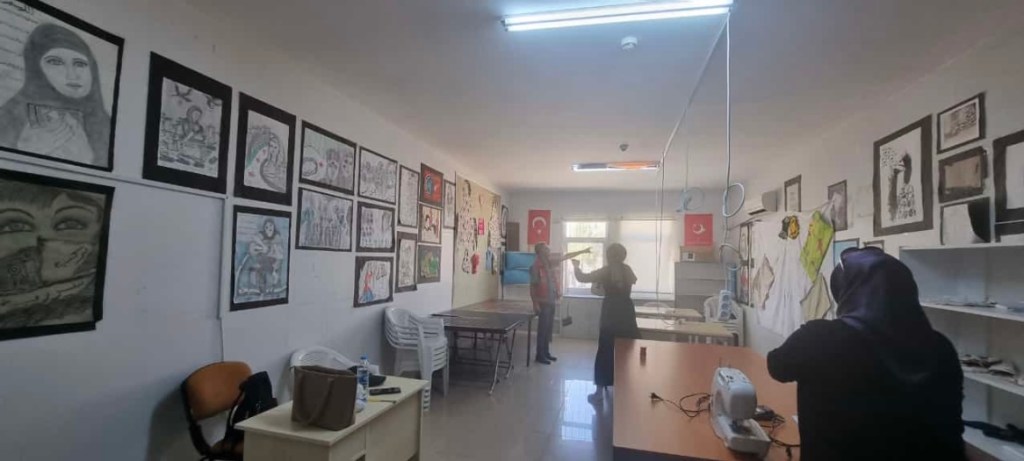
For this research, I draw on a 13-months ethnography across three countries – Turkey, Germany, and Lebanon – where I volunteered at a refugee-led organization and a local NGO. Furthermore, I conducted over 155 in-depth interviews with refugees from Syria, Iran, and Afghanistan, members of humanitarian agencies, donors, as well as the state officials.
 Merve Erdilmen